The Intricacies of Jueteng: Understanding the Impacts and Challenges of the Unofficial Lottery System
Jueteng is a well-known numbers game in the Philippines, recognized for its deep historical roots and controversial status. Often classified as a form of illegal gambling, it poses unique challenges and implications for the country's socio-economic landscape. The game has managed to thrive under the radar of legal betting alternatives, weaving itself into both cultural and economic fabrics.
Understanding Jueteng: Origins and Mechanics
Jueteng, believed to have originated during the Spanish colonial period, takes its name from the Chinese words "hue" for flower and "teng" for bet. It resembles a simple lottery system. Players choose a combination of numbers, and winners are determined through a daily drawing process. Despite the straightforward mechanics, jueteng inherently remains a game of chance, with little assurance of winning.
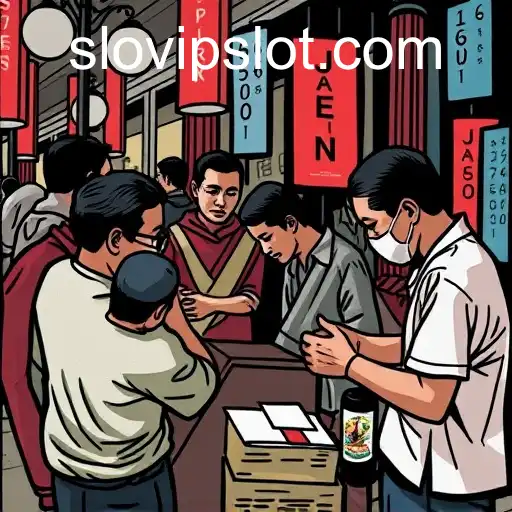
Key to its widespread popularity is the accessibility and community-centric nature of jueteng. The game operates through a network of collectors known as "cobradores," who solicit bets from individuals across various levels of society. This intricate network plays a crucial role in sustaining jueteng’s presence across urban and rural areas, despite government efforts to curtail it.
The Socio-Economic Impact of Jueteng
The impact of jueteng on Philippine society is profound, influencing financial, cultural, and political aspects throughout the country. Economically, jueteng offers a source of income, albeit informal, for thousands of Filipinos involved in its operations. From the small-time cobradores to the higher-tier financiers, jueteng provides employment opportunities and injects cash flow into local communities.
However, the gains from jueteng come at a societal cost. The lack of regulation means the proceeds often bypass taxation, depriving the government of potential revenue that could be redirected towards public services. Moreover, the operation of jueteng reportedly fosters avenues for corruption, with anecdotal accounts of law enforcement and political figures purported to turn a blind eye in exchange for bribes.
Cultural and Political Dimensions of Jueteng Participation
Beyond economics, jueteng is embedded within the cultural framework of Filipino society. The game is seen not just as a pastime, but as a social activity that strengthens community bonds. Participation in the lottery allows individuals to engage in shared experiences, generating conversation and communal interaction.
Politically, jueteng has been a contentious issue. The game’s proceeds have been alleged to fund political campaigns and influence election outcomes, providing hefty resources for those willing to align with the operators of this illicit network. The intertwining of jueteng and politics has led to several high-profile controversies, amplifying debates over the legal status and moral implications of the practice.
The Struggle for Legitimacy and Regulation
Despite its classification as illegal, recent talks surrounding jueteng suggest a potential shift towards regulation. Proponents of legalization argue that a legitimate framework could streamline operations, allowing the government to harness revenues generated towards societal advancements. Legalized regulation could also diminish organized criminal activity linked to unauthorized gambling practices.
However, the transition from clandestine operations to a regulated system is fraught with challenges. Implementing effective regulatory mechanisms would require comprehensive strategies and bipartisan political will. Overcoming corruption, addressing moral arguments against gambling, and ensuring equitable distribution of newfound revenues remain critical hurdles to address as part of this regulatory conversation.
The Role of Emerging Technologies
Technological advancements present both an opportunity and a threat to the traditional model of jueteng. On one hand, digital platforms could offer a legitimate means to modernize betting systems, potentially integrating jueteng into mainstream e-gaming markets. On the other, technology could enable more sophisticated forms of illegal betting, further complicating efforts to regulate and control the industry.
Slovip initiatives in digital transformation could pave avenues for structured, transparent betting systems. Integrating blockchain technology might ensure fairness and transparency, safeguarding bettors' interests while maintaining regulatory compliance. Yet, to realize these opportunities, stakeholders must navigate existing cultural nuances and historical complexities that accompany jueteng’s current modality.
Conclusion
The multifaceted nature of jueteng in the Philippines highlights the complexities faced in addressing its presence and related challenges. While it provides economic sustenance for many, the sociopolitical ramifications of unregulated operations cast significant shadows over its potential benefits. As discussions on the game's legal status unfold, considerations involving cultural integration, technological advancements, and comprehensive governance will define the future of jueteng as either a relic of past traditions or a reimagined facet of modern society.